

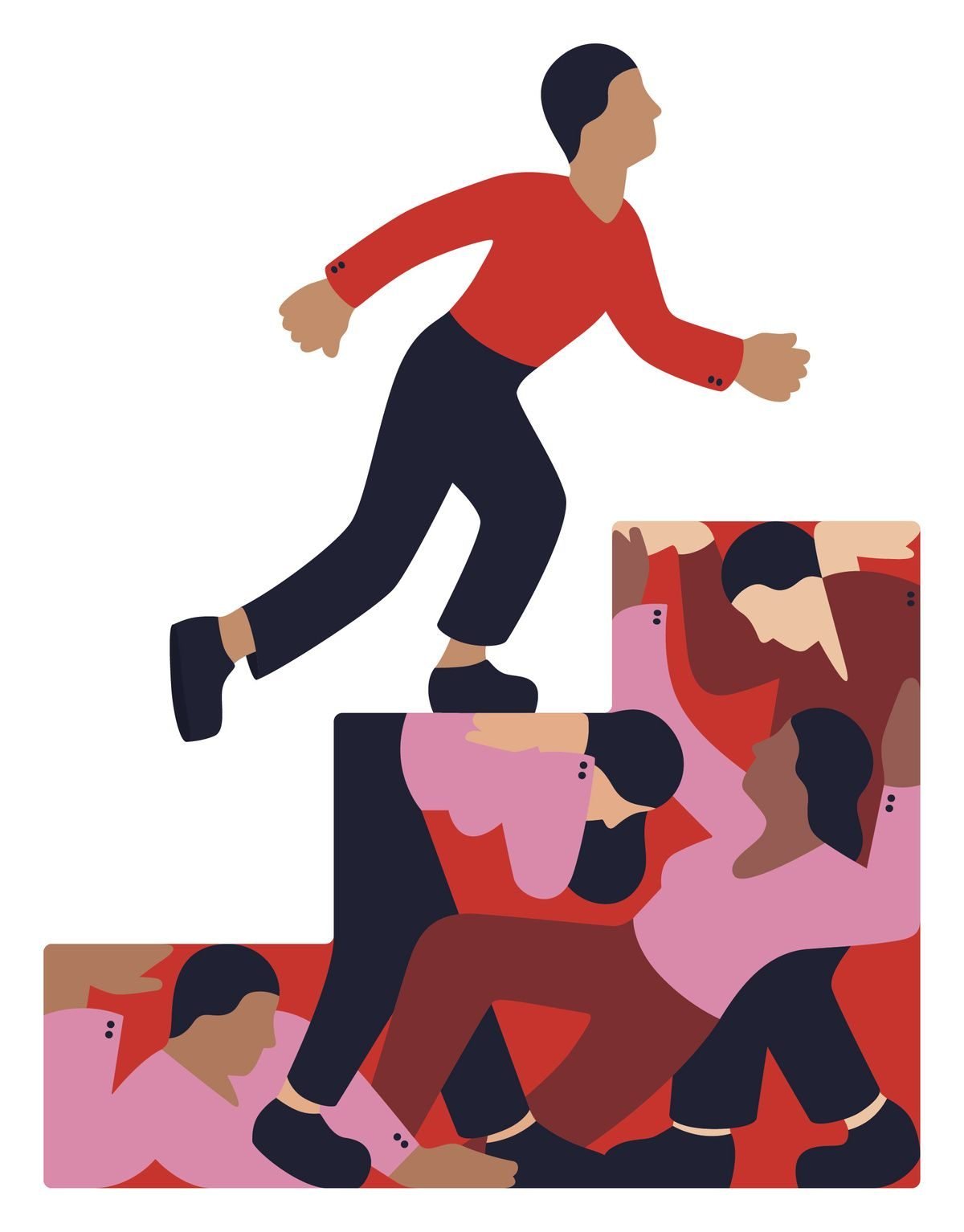
In many schools today, students are separated based on how quickly they learn. The faster-paced learners are placed in one class. While those who learn at a slower pace are placed in another. This practice is widely known as tracking (or streaming) when it involves different classes, and ability grouping when done within the same class.
While the method is intended to make teaching easier and improve learning outcomes, it has sparked ongoing debate about fairness and whether it reinforces “classism in the classroom”
Why Schools Use Tracking
Supporters of tracking argue that it helps teachers tailor their lessons. Faster learners can be challenged with more advanced material, while struggling learners can be given additional attention without the pressure of keeping up with their faster classmates. They believe that this would allow every student to thrive at their own pace, thus, preventing frustration.
The Problem of Classism
Despite its advantages, tracking often creates an invisible divide, ultimately, labelling students. Students in “fast classes” may be labelled as intelligent while those in “slow classes” may be labelled as unintelligent or weak. This will not only affect academic performance but will also shape students' self-esteem and social interactions.
In practice, placement into tracks is sometimes not purely based on academic ability. Socio-economic status, language barriers or lack of parental influence can push some students into lower tracks, where they remain for years with fewer opportunities for growth.
This can reinforce existing inequalities - making classrooms a reflection of social division rather than spaces of inclusion and equal opportunities.
The Psychological Impact
Being called slow or placed in a lower group often carries stigma. Students may begin to lose confidence, resign to fate, disengage from learning and lose their natural instinct to compete. On the other hand, students in higher tracks may develop arrogance, entitlement, or resistance to collaborating with peers who learn differently. This imbalance nurtures a form of educational elitism- a breeding ground for classism.
Real-World Examples
Finland: Finland abolished tracking in 1980s and adopted a system where students of all abilities learn together until they are older. Teachers used individualized support and differentiated instruction to cater to different needs. Today, Finland consistently ranks among the top countries in global education assessments, showing that mixed-ability classrooms can yield excellent results.
Germany: Germany has long practiced a highly structured tracking, placing students into different schools (academic, vocational or general) as early as age 10. While this is really efficient for specialized learning, critics say it locks children into life paths too early, and the kids are not really given a chance. Someone like me who picked later on in Grade 4 may not have stood a chance.
Reforms are being introduced to make the system more flexible.
These examples show that tracking has deep consequences for equity and social mobility.
A Better Way Forward
To reduce these inequalities, education experts suggest shifting from rigid tracking to inclusive teaching methods. Instead of separating students, schools can adopt differentiated instruction- a strategy where teachers adjust lessons, tasks and expectations to match the unique needs of individual learners within the same classroom.
Mixed ability classrooms combined with peer learning, tutoring and project-based approaches, allow students to support one another.
Faster learners can develop leadership and empathy, while slower learners benefit from the collaboration and exposure to higher-level thinking.
This model not only improves academic outcomes but also fosters unity, respect and equity.
Conclusion and Recommendations
Tracking may appear to make teaching easier but its long-term consequences often deepen educational and social divide. To build a truly inclusive classroom, schools should:
Encourage mixed ability learning environments that prevent labels from defining students.
Train teachers in differentiated instruction so they can manage diverse learning needs effectively.
Promote peer-to-peer-learning and group activities to bridge gaps and build collaborations.
Regularly review placement methods to ensure equity and fairness.
Education should not create a hierarchy of intelligence but should serve as a bridge for all learners to reach their full potential. The way forward lies in building classrooms that unite rather than divide, ensuring that no student is left behind simply because they learn at a different pace.
Join the conversation